I have watched countless corporate hosts try to force camaraderie over a static three-course meal. Standard corporate dinners often fail to create memorable client bonding experiences—they lack the shared adrenaline that breaks down professional barriers. Decisions on using heritage sporting events as an alternative were taken after reviewing these standard formats and selecting high-energy environments based on prior attendee patterns. The shift in strategy is immediately apparent when guests step onto the grass.
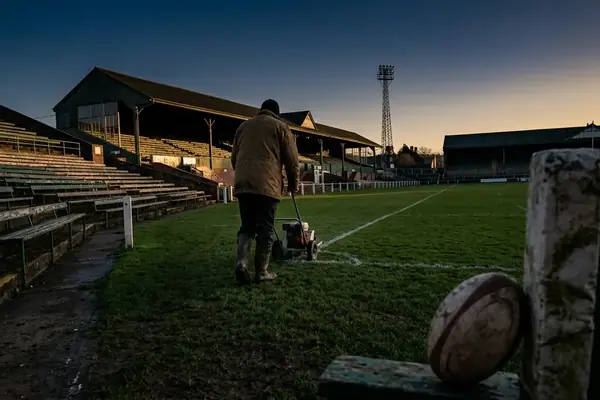
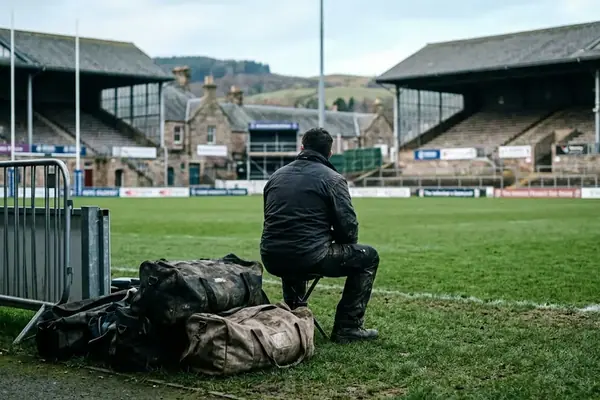
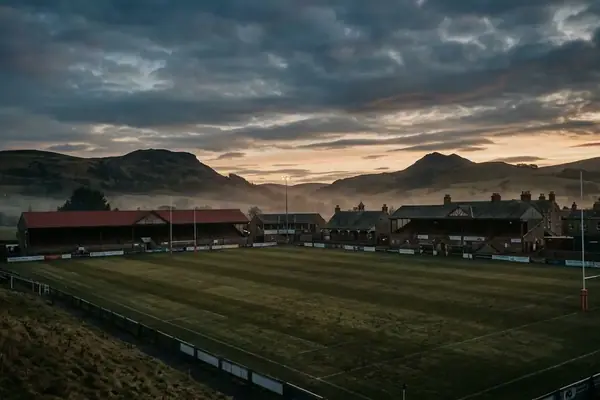
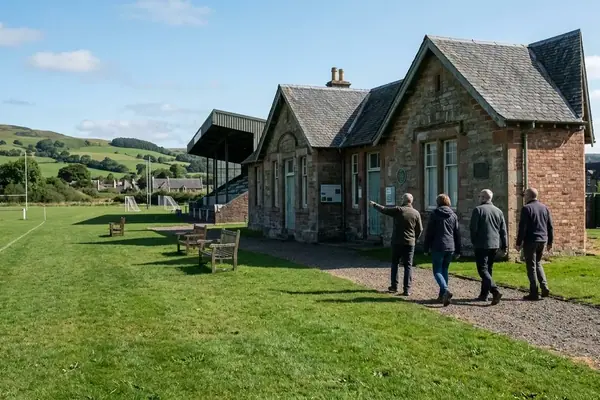
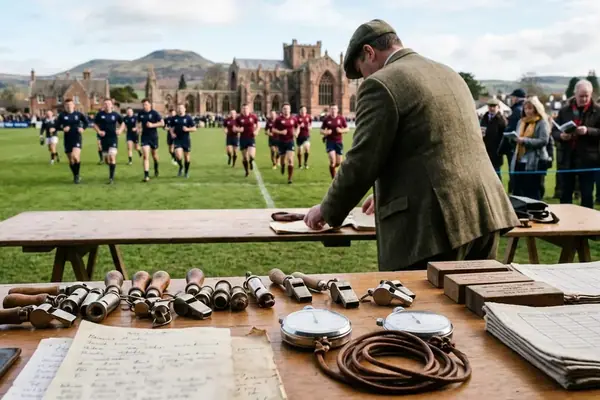
Since 1883, The Greenyards has been the undisputed spiritual home of rugby sevens. Every spring, the quiet Scottish Borders town of Melrose transforms into a global stage. This provides a unique backdrop for corporate hosting that cannot be replicated in a city boardroom.
Shared experiences in a historic environment accelerate relationship building. You are not just buying a ticket. You are securing prime pitch-side viewing positions that put your clients right on the edge of the action. To secure these spots, bookings are typically handled around 6-8 weeks ahead of match days. This lead time ensures you capture the value of face-to-face client interactions in a setting that commands attention.
Evaluating the Premium Hospitality Packages
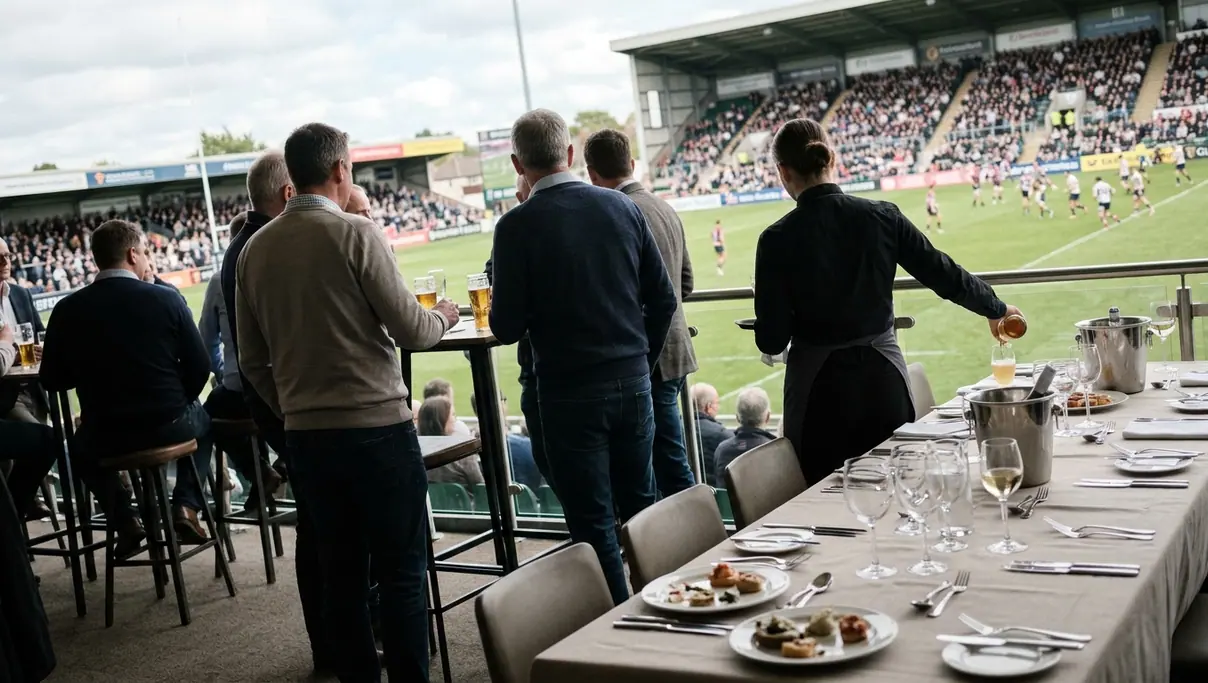
What exactly does a VIP enclosure at a heritage sporting event look like? Many hosts assume it mirrors a standard stadium box. Direct inspection of tent layouts reveals a much more integrated setup.
You are not sealed behind glass. The advantage of prime pitch-side viewing compared to distant stadium corporate boxes is the immediate connection to the crowd's energy. You hear the tackles. You feel the momentum shifts. This proximity changes the dynamic entirely.
Sourcing the Borders Experience
The catering reflects the region's agricultural heritage. Menus are not generic stadium fare. Sourcing from regional suppliers ensures high quality and supports the local economy. Most catering is sourced within roughly a 30-mile radius of the grounds. The beverage selections typically include a dozen or so local options, highlighting the best Scottish Borders produce. This hyper-local approach gives hosts an easy conversation starter with international clients who want an authentic Scottish experience.
The Networking Scene at the Greenyards
First-time hosts often worry about when to actually talk business during a fast-paced tournament. The structure of rugby sevens solves this naturally.
From attendee patterns, the tournament's structured breaks naturally facilitate organic networking. Matches are short and explosive. The breaks tend to last somewhere around 12-18 minutes between matches. This creates a rhythmic cycle of intense focus followed by relaxed conversation, allowing hosts to engage with multiple clients throughout the afternoon.
The demographic mix is highly conducive to expanding your professional circle. Attendees include regional business owners and visiting professionals from across the globe. The atmosphere strikes a deliberate balance. It remains festive and relaxed, yet maintains the professional boundaries expected in a corporate setting.
Understanding the Scope and Limitations
A successful hosting strategy requires acknowledging the realities of the venue. The Greenyards is a historic site, not a modern mega-stadium.
Scope review incorporated venue capacity checks and weather contingency planning. The capacity is strictly capped in the region of 1,200 total guests across the premium enclosures. This requires precise guest list management. Hosts must finalize guest lists around 10-14 days prior to the event.
Important: Scottish spring weather requires layered clothing regardless of enclosure type. Do not let your clients arrive in light formal wear expecting climate-controlled comfort.
I have seen the failure case when last-minute guest substitutions exceed capacity. Security will turn unlisted guests away, instantly ruining the client experience. Understand the social nature of the day. The environment is loud and celebratory. It is highly effective for relationship building, but it is not suitable for formal, confidential business negotiations.
Executing a Flawless Client Experience
Execution separates a good day out from a strategic business investment. The process begins long before the first whistle sounds across the Tweed valley.
Drafting Invitations: Invitations should be dispatched roughly 5-7 weeks ahead. This respects your clients' busy schedules and aligns with the booking windows.
Briefing Clients: Provide context. History briefings should cover a handful of key tournament milestones. When clients understand that Ned Haig invented the sevens format here, their appreciation of the day deepens.
Managing Arrival: Coordinate logistics meticulously. Ensure clients know exactly where to park and how to access the VIP enclosures.
Post-Event Follow-Up: Convert the shared experience into tangible outcomes. Reference a specific moment from the matches in your follow-up communications.
Field Note: There is a context-dependent variation for groups under 8 attendees. Smaller groups often benefit from shared tables in the main corporate tent rather than a private enclosure, as it encourages mingling with other regional business leaders.
Bottom Line: While these hospitality strategies consistently elevate client engagement, their effectiveness depends heavily on aligning your guest list with the inherently social, fast-paced nature of a live rugby tournament. Plan early, brief your guests well, and let the heritage of Melrose Sevens do the heavy lifting.