
Hall of Fame

Press ESC to close

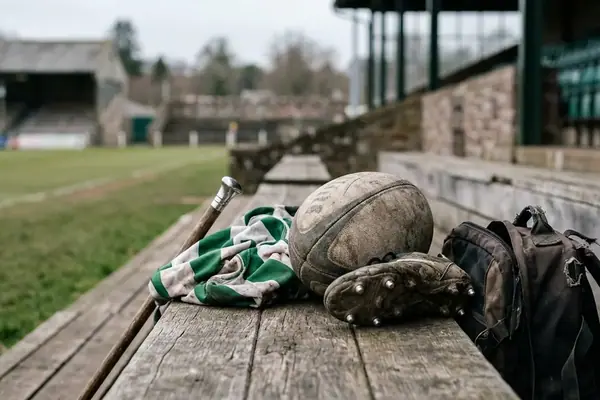
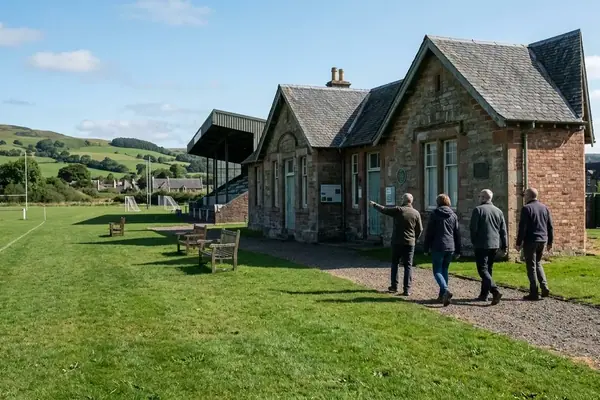
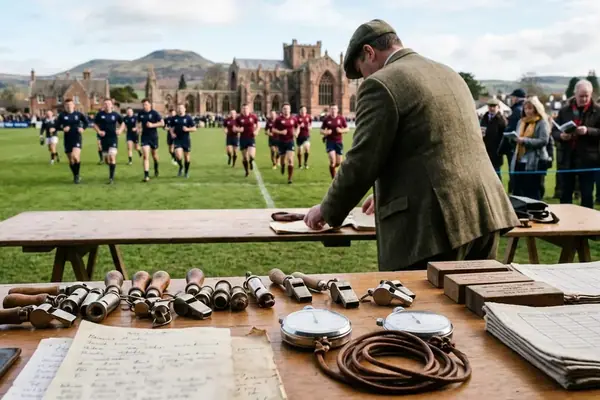

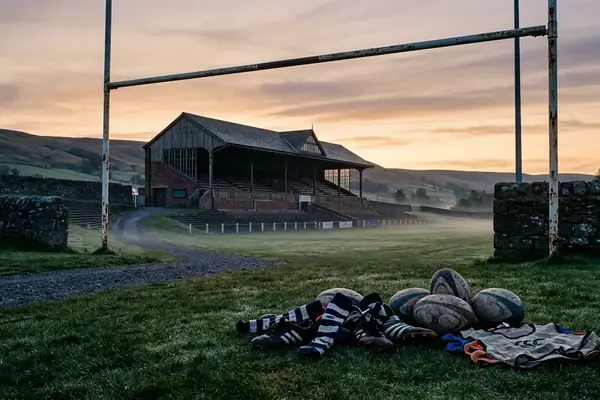

Melrose7S preserves the story of the tournament that gave rugby sevens its first home. From Ned Haig’s 1883 fundraiser to the modern spring spectacle at The Greenyards, this archive gathers the people, clubs, results, and places that shaped the seven-a-side game.
The Melrose Sevens is not only a date on the rugby calendar. It is a local invention that travelled the world while keeping its roots in a Borders town where supporters still walk to the ground, meet old teammates, and measure new champions against long memory.
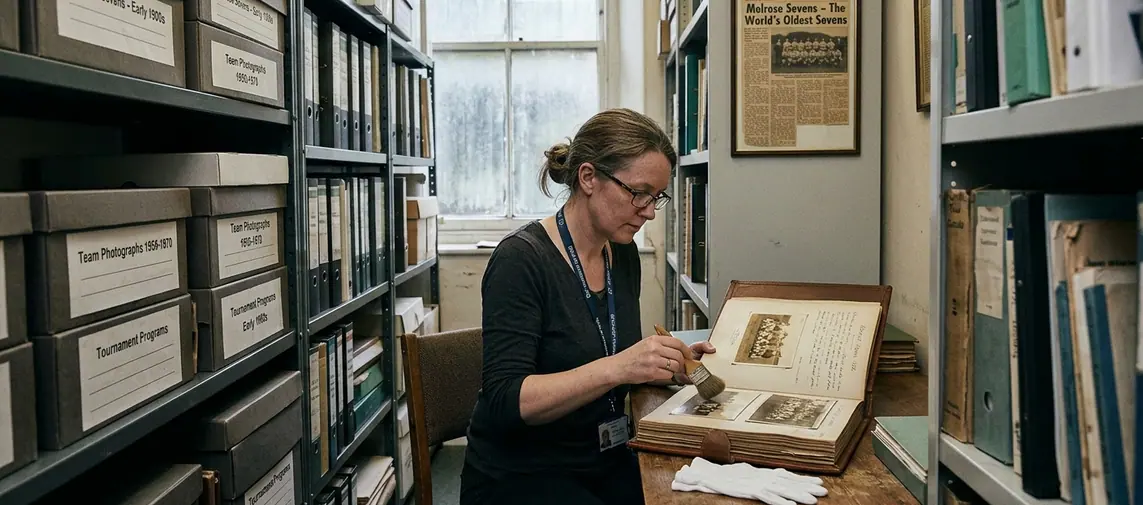
This homepage is the starting point for that record. Some visitors arrive looking for a final score. Others want the story of an international touring side, a famous player, or the ground itself. The archive keeps those routes clear, so a match report, a club profile, and a Hall of Fame feature can sit in conversation rather than in separate drawers.
Community observation suggests that the best Melrose stories usually begin with one concrete detail: a muddy touchline, a late try, a club blazer, or a name remembered from the old programmes.
The archive is organised around the questions supporters actually ask during sevens week: where did it begin, who played, what happened, and how do I make the most of a visit to Melrose?
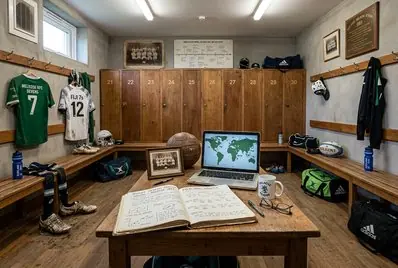
Trace the 1883 origins, Ned Haig’s role, and the wider journey of the seven-a-side game from Melrose to the world.
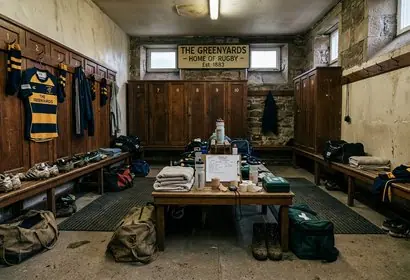
Meet the ground, the town, and the Scottish Borders setting that give the tournament its atmosphere.
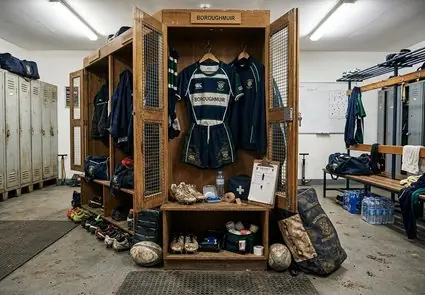
Follow domestic clubs, invited sides, and international names that have tested themselves at Melrose.
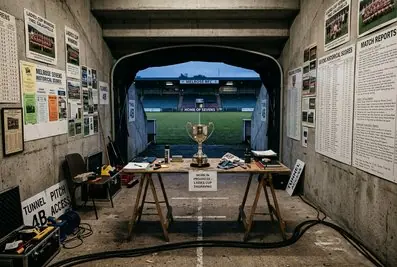
Find winners, scores, and match reports, including deeper dives such as the 2000-2009 results archive.
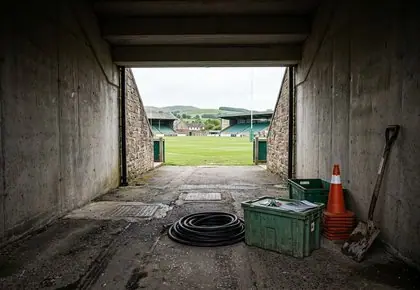
Plan a visit with practical notes on tickets, hospitality, travel, and the rhythm of the weekend.
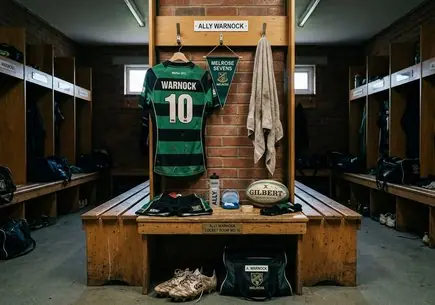
Celebrate the players, coaches, organisers, and characters whose names still carry weight around The Greenyards.
A sevens archive has to balance pace with care. Finals can turn on a single break, but history turns on names, dates, club identities, and context. We treat each entry as part match record, part local memory, and part rugby history, where the surviving record allows.
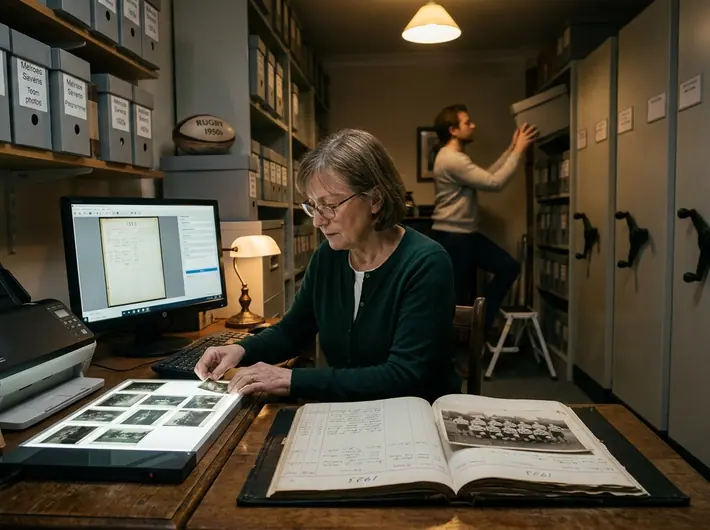
First, we anchor a story in a specific tournament, club, player, or venue moment. Then we connect it to related archive areas, such as match results or Hall of Fame profiles. During practice, that approach keeps a feature on Ally Warnock from becoming isolated from the wider run of Greenyards legends.
We do not flatten the tournament into a list of winners. Scores matter, but so do visiting teams, local volunteers, changing styles of play, and the feel of a sevens day in Melrose. A clean archive should help a reader move from a single result to the bigger story without losing the thread.
Older records can contain spelling variations, incomplete line-ups, or club names that changed over time. When a detail needs careful treatment, the archive favours clarity over guesswork and leaves room for correction through documented evidence.
Melrose7S brings together archive strategy, match analysis, and audience storytelling. The aim is simple: help rugby fans, historians, visitors, and competing clubs feel the depth of the tournament before they reach the touchline.
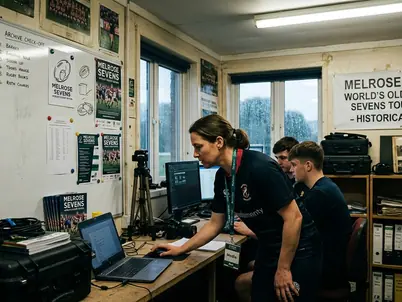

Senior Digital Content Strategist
Focuses on rugby sevens heritage, archive strategy, and historical positioning.

Sports Data Analyst
Works across match results, team performance trends, and comparative rugby analysis.

Audience Development Manager
Shapes visitor engagement, editorial planning, and cultural storytelling.
The Melrose Sevens belongs to the people who played it, watched it, organised it, and carried its stories home. Start with the history, check the results, plan your visit, or share a documented correction with the archive team.