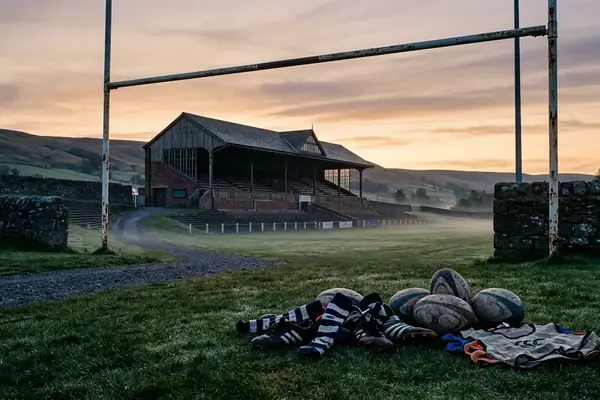
Melrose Sevens is not a weekend you simply attend. You enter it, plan around it, and let the rhythm of the Borders carry you from the first coaching sessions to the last crowded conversations in town.
The 126th edition brings the familiar challenge: a historic tournament with modern demand. The Greenyards remains the emotional centre, but the experience now stretches across broadcast coverage, hospitality planning, sponsor areas, youth rugby, veteran matches, women’s competition, and a Saturday crowd that rewards anyone who has thought ahead.
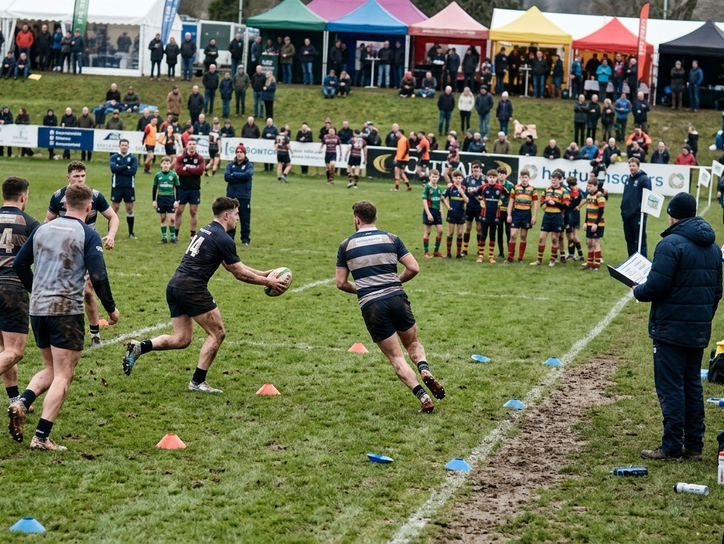
What's Inside
- Understanding the scale of the historic tournament
- Decoding the ground plan and choosing your vantage point
- Navigating the three-day event schedule
- Securing hospitality and off-pitch entertainment
- Essential tips for Borders weather and crowds
Understanding the Scale of the Historic Tournament
Why the 126th edition matters
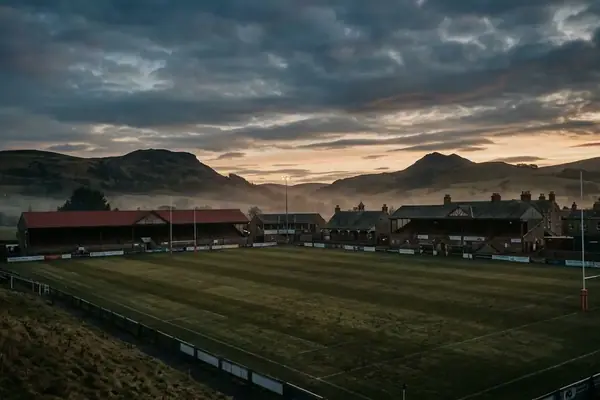
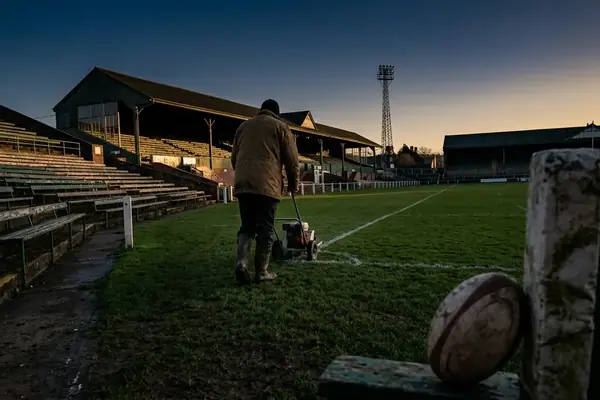
I still judge a Melrose Sevens weekend by the walk into town before the main crowd arrives. The shop windows change first. Then the club colours appear. By Saturday, the quiet Borders setting has become a meeting place for rugby people who know exactly why this tournament still matters.
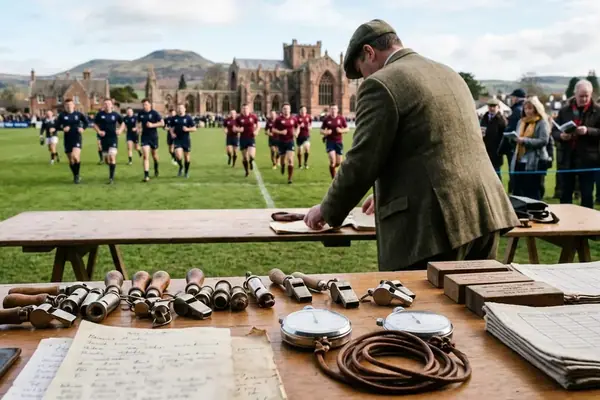
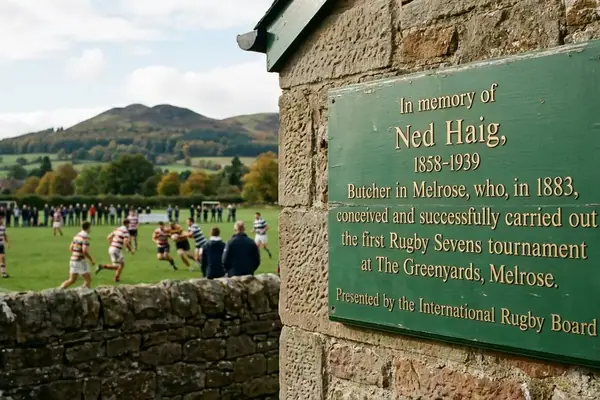
The 126th edition carries more than age. It carries continuity. Since Ned Haig’s invention of rugby sevens in Melrose, the tournament has served as a living reference point for the shortened game: quick decisions, open space, fierce bursts of momentum, and the particular noise a crowd makes when a breakaway starts near halfway.
That history changes how you prepare. You are not planning for a casual afternoon at a local ground; you are planning for a heritage event that pulls clubs, families, visitors, media teams, and returning supporters into a small town with a large sporting memory.
Prepare before the town fills
The useful preparation window sits roughly two to three days before peak attendance, particularly when advance ticketing systems are active. That is the point to confirm your tickets, check your stand or enclosure choice, agree meeting points, and decide whether you are treating Saturday as a full-day outdoor event or a more structured hospitality visit.
Leave those choices until the morning of the main tournament and you give away control. Queues, weather, and crowd movement will make simple decisions feel bigger than they are.
Bottom Line: Treat Melrose Sevens as a three-day event with a Saturday climax, not as one matchday.
Broadcast attention widens the audience
The media presence also changes the feel of the weekend. The partnership with BBC Scotland extends the tournament beyond those packed around The Greenyards, giving the event a broadcast profile that reflects its place in rugby history.
For visitors, that means two things. First, the tournament has visibility beyond the Borders. Second, the ground itself can feel busier around media positions, presentation areas, and moments when supporters gather to watch or be part of the wider occasion.
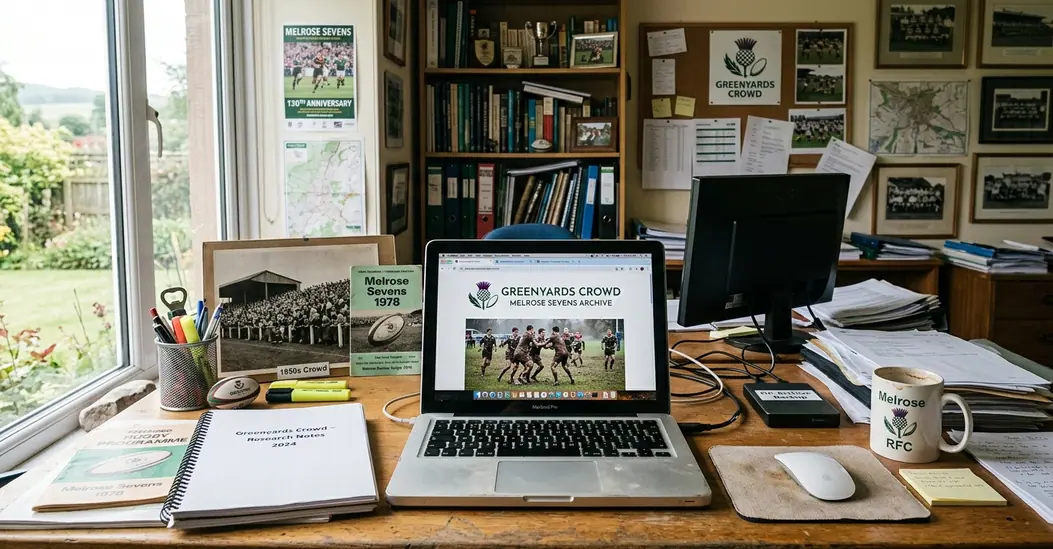
Decoding the Ground Plan: Choosing Your Vantage Point
The question most visitors ask first
Where should I sit?
The honest answer depends less on rugby knowledge than on comfort tolerance. If you are happy standing, moving, and accepting the weather, the enclosure and grass bank terracing can give you a lively, close-to-the-action day. If you want steadier conditions, especially with family members or older guests, the covered seating becomes much more attractive.
Main Stand Sections A, B, C, and D
The Main Stand offers covered bench seating in Sections A, B, C, and D. The cover matters in April, and the central viewing line can make it easier to read the shape of the game, especially during fast transitions.
The trade-off is comfort. These are bench seats without backrests. For a short spell, that may not matter. Across a long tournament day, it does. Bring that into your planning if you are attending with someone who needs more support or who will not want to keep standing between matches.
Field Note: If you choose the Main Stand, arrive with the mindset of a full-day spectator: warm layer, waterproof outer, and something sensible in your bag for pauses between games.
West Stands K and L
The West Stands, K and L, offer temporary covered seating with backrests. That distinction sounds small until hour four, when the benches and the weather have both made their case.
For visitors who want to watch steadily rather than circulate, the West Stands can be the more forgiving choice. You still get cover, but the backrests add comfort for a longer stay. This is the option I would consider first for guests who care about the rugby but do not want the day to feel like an endurance test.
Enclosure and grass bank terracing
The uncovered enclosure and grass bank terracing suit supporters who enjoy movement, atmosphere, and informal viewing. They also demand honesty. Sustained rain beyond a couple of hours can make uncovered seating feel very different from the romantic version of standing at a famous ground.
If you choose these areas, do it deliberately. Waterproof footwear, layered clothing, and a plan for food or shelter breaks will make the difference between a memorable day and a damp retreat before the key ties.
Navigating the Three-Day Event Schedule
Start with Thursday, not Saturday
New visitors often focus only on the main tournament day. That is understandable, but it misses how the weekend builds.
Thursday opens the event with a developmental tone, especially through the Sevens youth coaching clinic led by Jim Telfer. That matters because Melrose Sevens is not only a showcase for established players. It is also a handover from one generation of rugby people to the next.
For families and clubs, Thursday can be the most generous part of the programme. The pace is less crowded than Saturday, and the coaching environment gives younger players a clear connection between the sport’s history and their own learning.
Friday belongs to competitive variety
Friday shifts the rhythm. The Vets Tournament brings age-restricted matches into the schedule, while the Ladies tournament adds another competitive strand before the main Saturday focus.
This is the day for supporters who like texture. You see different styles, different bodies, and different kinds of game management. Veteran rugby often has the craft: the angle that saves a sprint, the pass delivered a second earlier, the touchline conversation that sounds half like tactics and half like memory.
The Ladies tournament deserves proper attention rather than being treated as a prelude. It adds energy to the Friday programme and gives visitors another reason to arrive before the main event.
Saturday is the peak, but not the whole story
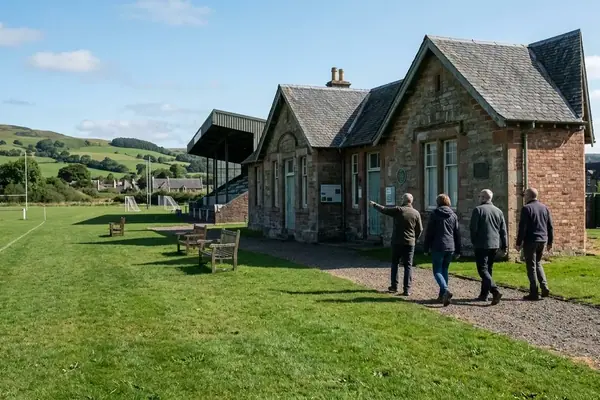
Saturday brings the main tournament atmosphere: fuller stands, heavier movement through the ground, and more pressure on every practical choice. If you have attended Thursday or Friday, Saturday feels less confusing. You already know the walking routes, the food rhythms, the sponsor areas, and where your group naturally regathers.
That is the advanced tip: use the early days to learn the site. Even a short visit before Saturday can reduce stress when the crowd is at its strongest.
Securing Hospitality and Off-Pitch Entertainment
Corporate Hospitality planning
Premium event services sit in a different planning lane from general admission. Corporate Hospitality packages are coordinated through designated management, with Douglas Hardie identified for that route. If you are arranging a client group, club delegation, or visiting party, confirm package details early and keep the booking conversation separate from ordinary ticket decisions.
Hospitality is not only about a better seat. It can set the tempo of the day: arrival timing, food, shelter, meeting points, and the ability to host guests without asking them to solve every practical problem themselves.
The Gibson Park social hub
Off the pitch, the Entertainment marquee in Gibson Park becomes one of the weekend’s social anchors. It gives the event a second centre of gravity, particularly once people begin moving between rugby, food, conversation, and evening plans.
This is where the weekend feels most like Melrose: sport in the foreground, community close behind, and visitors folding into local rhythms rather than watching from a distance.
Quiz nights and evening choices
The Big Borders Rugby Quiz is exactly the kind of off-pitch event that rewards people who enjoy the culture around the game as much as the tries. It is worth checking arrangements close to the weekend, because quiz events can vary by local attendance caps.
- Confirm hospitality access separately from match entry.
- Use Gibson Park as a social reference point when arranging group meetups.
- Check the latest timing for the Big Borders Rugby Quiz before building dinner plans around it.
- Leave room in the schedule for slow movement after popular fixtures.
Essential Tips for Borders Weather and Crowds
Dress for a full day, not a forecast
April in the Scottish Borders asks for humility. A forecast can suggest one thing at breakfast and the ground can feel like another place entirely by mid-afternoon.
Plan for temperature swings somewhere around 5 to 15 degrees Celsius. That range is not extreme on paper, but it feels sharper when you are sitting still, standing on grass, or waiting through a gap in play. Layers beat one heavy coat because they let you adjust without leaving your position.
- Start with a comfortable base layer that stays warm when the air turns cold.
- Add a mid-layer you can remove during brighter spells.
- Carry a waterproof outer layer, even if the morning looks kind.
- Choose footwear for wet ground rather than clean pavements.
- Keep gloves or a hat in your bag if you plan to stay into the evening.
Respect the uncovered areas
The enclosure and grass bank terracing can be brilliant when the weather holds. They can also expose weak preparation quickly.
Important: If you are in uncovered areas, plan shelter breaks before you need them, not after everyone in your group is cold and tired.
For children, older visitors, or anyone who dislikes standing in wet conditions, covered seating is not a luxury decision. It is a practical one. The romance of open-air viewing fades fast when clothing is soaked and the key matches are still ahead.
Move through sponsor areas with patience
Sponsor zones, including areas hosted by Carlsberg Tetley Scotland, can become crowded during peak intervals. The densest moments usually form when fixtures pause, food and drink demand rises, and groups try to move at once.
Do not use those areas as your only meeting point. Pick a quieter backup location and agree it before the day becomes loud. If you are attending with a larger group, split tasks: one person handles refreshments, another holds the meeting position, and everyone knows when to return.
The best Melrose Sevens days have room for both spectacle and ease. With schedules and access arrangements subject to event-year confirmation, the practical principle still holds: prepare early, choose your viewing position honestly, and let the weekend unfold around the rugby rather than around avoidable stress.