Why April Became Melrose’s Sevens Month
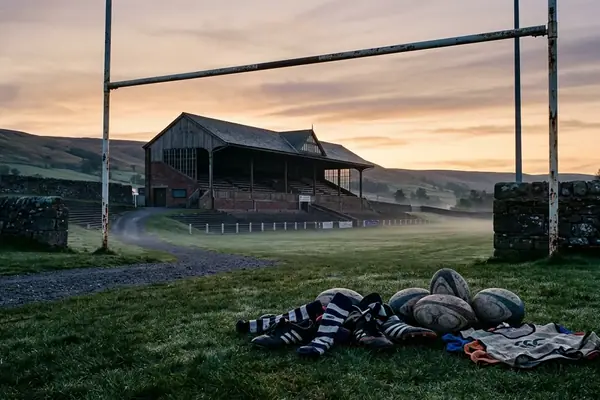
Ned Haig’s first seven-a-side sports day at The Greenyards took place on 28 April 1883, after the fifteen-a-side winter season had closed. The timing served a practical purpose: Melrose still had a fit squad available, and a gate at the ground could raise money for the club. That relationship between players, ground and season helped establish the spring setting of the world’s oldest rugby sevens tournament.
The familiar second Saturday in April became the recurring expression of that end-of-winter opportunity. Falling between 8 and 14 April, it placed the tournament in the transition from heavy winter pitches towards firmer spring turf. A May holiday date had been set aside because the squad would already have dispersed after the fifteen-a-side season.
Beyond the touchline, Borders lambing overlapped spring field work. Rugby occupied the same seasonal hinge as the surrounding agricultural landscape: winter’s demands continued while spring work gathered pace. The calendar promised a change in conditions, rather than uninterrupted warmth.
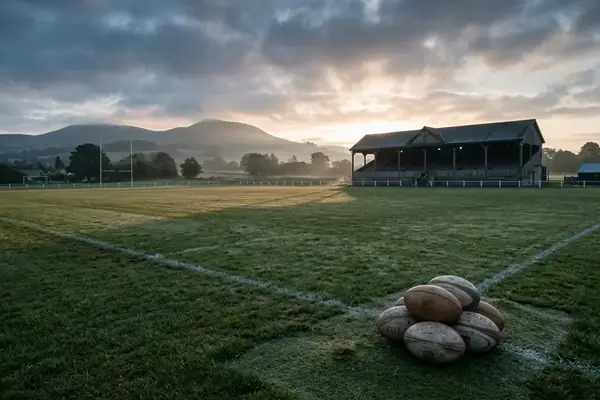
Melrose’s physical setting gives that transition a local character. The River Tweed valley, the Eildon Hills and the enclosed ground shape the weather encountered around The Greenyards. Town buildings and the main stand interrupt exposure across parts of the pitch, while the open banks meet the weather more directly.
For spectators following tournament history into a first visit, the practical lesson begins here: prepare for a long spring day outdoors, with winter still close enough to influence the opening ties.
Read the Valley Forecast, Then Read The Greenyards
How closely does a nearby weather report describe conditions beside the pitch? Start with the surrounding Tweed-valley observations, then assess the ground’s shelter and exposure. The useful comparison runs from Friday evening through Saturday dusk, connecting overnight weather with the surface and air conditions encountered across the tournament card.
Regional station archives describe broad valley conditions rather than pitch-level wind shear or turf drainage, so visitors should pack for a sudden localised squall even when the regional forecast looks calm.
The Met Office UK climate averages provide seasonal context. For match-day preparation, pair that background with the current forecast and a direct look at the ground on arrival. Each answers a different practical question: what April generally brings, what weather is approaching, and how the pitch and spectator areas are receiving it.
Follow the Shelter Around the Pitch
Open Border farmland gives wind a longer uninterrupted approach. At The Greenyards, the main stand and surrounding town shorten that approach and alter its path across the playing surface. Shelter therefore changes as spectators move around the enclosure.
The open banks and town-end terrace take fuller gusts from the Eildon side. Under the main-stand roof, spectators gain protection from falling rain, although the front seats still catch rain driven horizontally. A sheltered arrival through town can consequently feel very different from a place beside the touchline.
Read those changes before settling in. Watch the direction of rain and the movement of clothing along the exposed banks, then keep the waterproof shell accessible throughout the card.
Following the Card From Frost to Late Showers
A spectator arriving before the first ties may meet frost or near-frost, then spend the middle matches in bright sunshine before pulling a hood tight against cold rain. That sequence explains the familiar description of a Borders April day as four seasons compressed into one. Across a programme running from around 09:00 to dusk, the experience changes with both the weather and the spectator’s position.
The early cold rewards preparation. Thermal layers matter while supporters wait for the opening action, when standing still exposes hands and faces to the air. As brighter intervals arrive around midday, an outer layer can come off without sending the warmer clothing back to the car.
Keep it within reach.
Sleet or cold rain can arrive before the later ties, just as a long day’s accumulated exposure begins to tell. Back-to-back matches encourage spectators to stay in position, particularly when the next contest involves a favoured club. Build clothing changes around the gaps between ties so that watching the rugby remains comfortable.
The Same Gust, Two Spectator Experiences
On an open terrace, an Eildon-side gust reaches faces and hands directly. Beneath the main stand, the roof interrupts vertical rain, but front-row exposure continues when the shower blows across the ground. Both groups watch the same match; their clothing needs differ according to the shelter around them.
An event guide can help organise arrival and movement between matches. The weather plan should run alongside it, keeping warmer layers available through the late ties and the final approach to dusk.
What Firm Turf and Wet Crosswinds Change in Sevens
Read the surface first and the wind second. That order connects visible conditions with the decisions competing teams make. On firm, drained Greenyards turf, players can sustain width, move the ball towards the edge and pursue longer restarts. The surface supports the acceleration that gives an overlap its value.
After overnight or morning rain, saturated ground changes the timing of those movements. Foot placement and carrying lines demand closer attention, while a wet ball complicates the transfer between players. A first receiver caught before the pass releases can close down an overlap that appeared available moments earlier.
For a newcomer, the clearest starting point is the first pass after possession. Watch whether the receiver catches and moves immediately or needs an extra adjustment. Next, follow the support runner: the space may exist, but reaching it depends on the speed of the transfer and the footing beneath both players.
Watch the Restart Beyond Its Landing Point
Crosswinds affect the kick’s flight and the chase beneath it. A longer restart on firm ground offers a different contest from a ball travelling across the wind towards a wet landing area. Wide passing carries a related calculation: distance, grip and the receiver’s movement must work together.
For a more detailed reading, compare the restart’s intended contest with the position players actually reach. Then watch whether the next possession stays close or travels towards the touchline. These sequences give match results useful context when revisiting a particular tie.
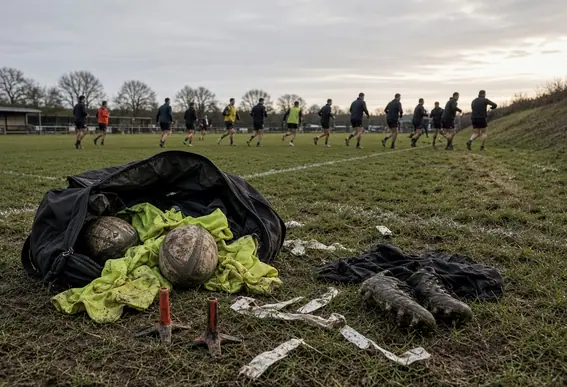
The physical task continues between appearances. Players warm up repeatedly across six to eight hours of intermittent play, then face sharper cooling as afternoon gives way to the evening final. Dry layers and a repeatable warm-up routine become part of sustaining readiness—especially once the sun leaves the bowl.
Pack for the Walk In and the Final Whistle
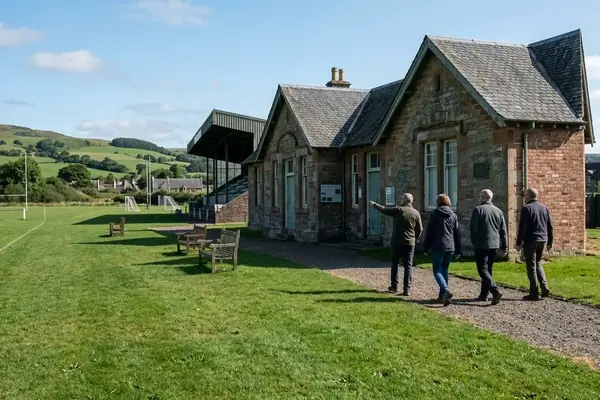
Preparation should follow the route into the tournament: Melrose town-centre pavements, Gibson Park, then the grass banks of The Greenyards. Footwear that feels adequate on the street must also cope with wet grass. Clothing needs to remain useful from arrival through dusk, including the periods spent standing between matches.
Build a Spectator Kit Around Three Tasks
- Keep warmth adjustable. Wear a thermal mid-layer beneath a waterproof outer shell. Open or remove the shell during brighter intervals while keeping both layers close at hand.
- Match footwear to the banks. Choose shoes or boots with grip for wet grass as well as a comfortable walk through town and Gibson Park.
- Keep rain protection accessible. Pack the shell where it can be reached between ties without emptying the bag. Put it on as the shower approaches rather than waiting for clothing underneath to become wet.
A first-time visitor can begin with that simple arrangement. With familiarity, the next step is choosing a viewing position deliberately: open-bank exposure and stand-roof shelter create different demands over the same afternoon.
Reset the Squad Kit Between Ties
Visiting squads need a dry mid-layer, a waterproof shell and a second pair of grips or boots ready for the six-to-eight-hour card. Keep dry clothing available between appearances, then check footwear against the surface before warming up again. As temperatures fall towards the later rounds, make that clothing change part of the turnaround between ties rather than an afterthought.
On tournament morning, check the surface and the wind’s path across the Eildon Hills, then pack a waterproof outer shell and thermal mid-layer before walking down to High Cross Avenue.