When New Colours Step Onto The Greenyards
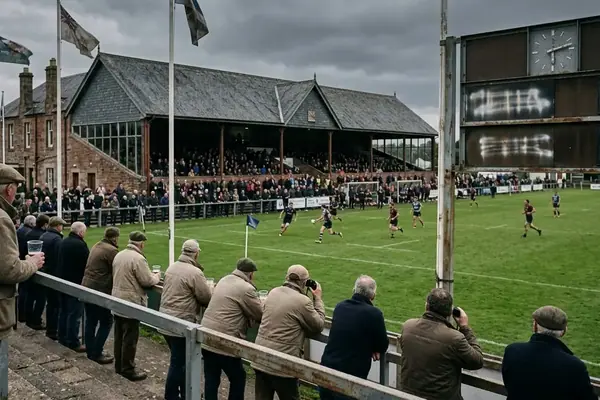
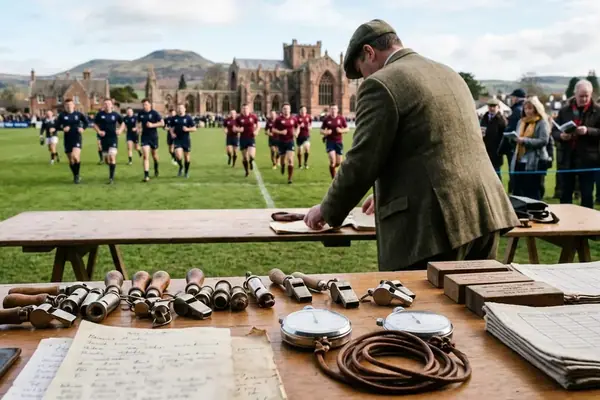
A Borders club has just played the opening tie. Spectators along the pavilion-side bank know the colours, recognise the patterns of play and have settled into the rhythm of a Melrose Saturday. Then an invitational side walks onto the sloping grass in its own jerseys. The change is visible before anyone touches the ball.
At first, the crowd watches with polite curiosity. Seven unfamiliar players spread across a pitch that local sides know well. A quick recycle draws defenders towards the touchline; the ball moves back across the field before they can reset. Suddenly the bank has something new to judge, and curiosity becomes a roar. That sequence captures the possibility guest teams bring to The Greenyards: a familiar place can still deliver an unexpected match.
The effect matters because spectators arrive with different levels of knowledge. A regular may read the defensive adjustment immediately. A first-time visitor may simply see space appear where a moment earlier there was none. Both have a reason to lean forward. In an ordinary tie of two seven-minute halves, there is little time for a team to settle gradually, and even less for the crowd to postpone its verdict.
Why the opening local tie matters
Putting a recognised local fixture first gives the day a point of reference. It honours the clubs whose rivalries have long filled the banks and lets visitors hear what home support sounds like. When the guest side follows, the contrast is immediate: different jerseys, different decisions under pressure, the same demanding patch of grass.
That order of play also makes the invitation intelligible. The visiting team has entered an existing tradition rather than a separate exhibition. Its players must earn the crowd's attention in a knockout match, against opponents who understand the slope and the occasion. When they do, the applause belongs to the contest itself.
Why Borders Derbies Need an Open Draw
Neighbouring Borders clubs have supplied Melrose Sevens with fierce contests since the tournament's early decades. Their grounds sit within the Tweed-valley corridor, and their players bring histories that spectators carry into each tie. A local derby needs little introduction. One tackle or one break can call up years of shared rivalry.
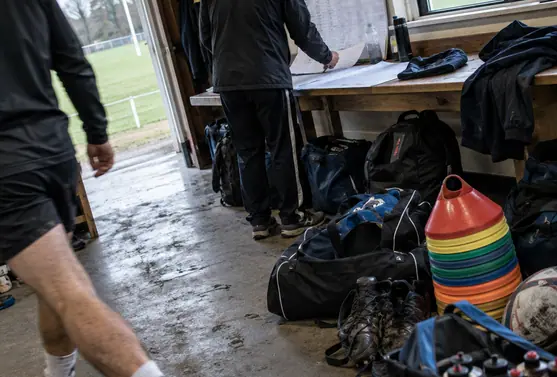
Those connections deserve a strong place in the draw. They also create a question for anyone shaping a single-day knockout: what happens when every opponent already knows the next opponent's habits? Across repeated regional meetings, captains can prepare for familiar defensive width and familiar choices about territory. A plan built for a known rival may be sound, yet a card made entirely from those meetings offers fewer reasons to try a new attacking shape.
The short clock sharpens that tendency. In a fourteen-minute ordinary tie, a team can protect territory and rely on patterns its players already trust. There may be no practical reward for testing a wider passing option against a side that has spent years learning how to close it. Familiarity can produce excellent rugby; it can also make each team more certain about what the other will do.
What the local rivalry should keep
Opening ties between Borders clubs give the tournament its local voice. Their supporters know the stakes without a programme telling them, and younger spectators can see that Melrose Sevens belongs to a living club culture. The answer is to keep those fixtures meaningful while leaving room in the bracket for sides whose habits cannot be read from the usual derby form.
A guest team changes the preparation on both sides. Local players still bring the knowledge earned on this ground. They must now use it against an opponent whose preferred tempo, passing lanes and responses to pressure may be unfamiliar. That is a harder test of their rugby, and a better use of the home advantage the derby tradition has given them.
The Tactical Questions Guest Sides Bring
What can an established local side learn about a visitor before kick-off? It can watch the warm-up, identify likely playmakers and note how the team arranges itself for restarts. Yet pre-match observation cannot reproduce the understanding built over repeated meetings with a neighbouring club. The first seven-minute half becomes the place to find out how the guests actually attack.
Invitational selections can draw on university sevens, services teams and clubs beyond the Tweed valley. Those backgrounds bring different habits to the same knockout rules. One side may look to recycle possession quickly and move the ball towards width. Another may hold defenders near the middle before releasing an outside runner. Neither approach succeeds automatically on The Greenyards slope; visiting players must learn its angles while the match is already under way.
For a local captain, the challenge is immediate and practical:
- Decide whether the guest side's early width is a lasting pattern or an opening probe.
- Set defensive spacing without allowing a quick recycle to pull players out of position.
- Use knowledge of the pitch while avoiding assumptions about where an unfamiliar opponent will kick or pass.
These decisions alter the quality of the contest. A local side that adapts can expose weaknesses the visitors did not know they had. A guest side that handles the slope and the pressure can make established players defend in ways their usual opponents rarely demand. The result is worth watching beyond the match result: spectators see players solve problems in real time.
A strong invitation gives both sides a question they cannot answer before the whistle.
That is why the calibre of a guest team matters as much as its origin. A different jersey alone cannot lift a tie. The visitor needs the sevens skill and composure to make its unfamiliar approach credible under knockout pressure. Local clubs, in turn, need opponents capable of testing their choices rather than merely decorating the fixture list.
From the Birthplace of Sevens to the Clubhouse
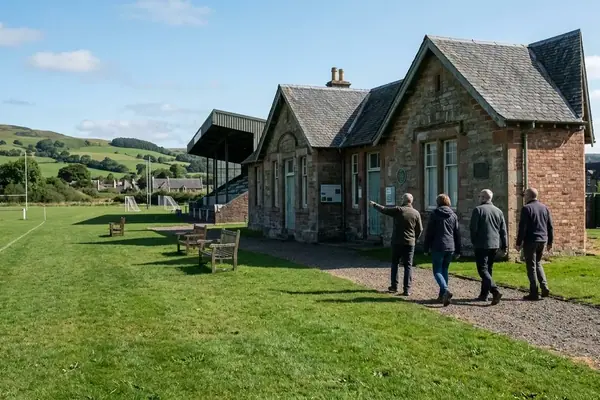
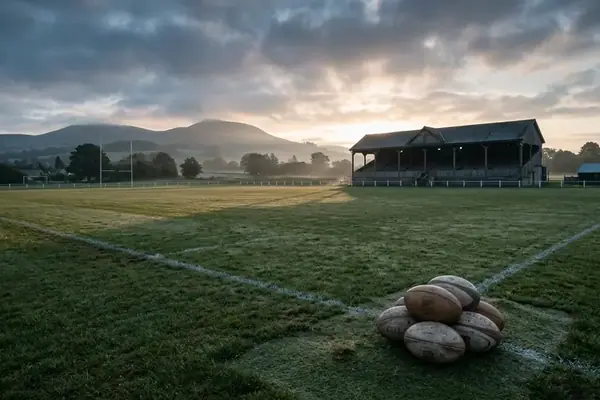
Rugby sevens began on this Melrose grass in 1883 as a one-afternoon club fundraiser. The modern tournament still asks teams to bring their ambitions into a single April Saturday. That continuity gives The Greenyards its particular force: players can stand where the abbreviated game began and then compete in a version shaped by rugby cultures far beyond the Borders.
The cultural exchange starts on the pitch. A visiting team brings its own jerseys, calls and ways of reading space. Local squads bring the ground's history into every contest, along with the practical knowledge of playing on its slope. Spectators can watch those traditions meet without needing either side to explain them. The differences appear in decisions made at speed.

After the final whistle, the conversation can continue in the clubhouse. Visiting players and local squads share the same space, while supporters who spent the afternoon judging tackles and breaks can meet the people behind unfamiliar colours. A player may remember an opponent's turn of pace; a spectator may ask how a side prepared for the ground. Those exchanges make the day's rugby feel connected to a wider sporting community.
Heritage that stays in play
There is a risk in treating a historic venue as though its chief task were to preserve a scene. Melrose's tournament history offers a more demanding standard. The game invented here travels, changes and returns with players who have learned it elsewhere. Welcoming them lets the ground remain a place where the sport develops in public.
For a first-time visitor, this is also a useful way to read the event. Follow a local club through its opening tie, then notice what changes when a guest side takes the field. Watch the teams during play; listen to the conversations afterwards. The connection between Melrose and the wider sevens world becomes easier to understand when it has faces, colours and match results attached to it.
Reserve Guest Places Before Filling the Card
The next invitational team should be chosen early, with a clear purpose. Fixture committees have months before the traditional April Saturday to scout sides capable of testing the local field. Reserving guest places before completing the regional draw gives that work a place in the tournament's structure. Waiting until every neighbouring club has a slot leaves the invitation vulnerable to whatever space remains.
A useful selection question is specific: what will this side make its opponents confront on The Greenyards slope? A team with disciplined width may stretch a familiar defensive line. A side comfortable with faster possession may force quicker decisions after contact. Organisers can then build a draw that preserves valued Borders fixtures while giving those clubs meaningful encounters beyond their usual circuit.
- Identify guest sides with a distinct sevens approach and the ability to sustain it under knockout pressure.
- Protect their places in the bracket before filling the remaining ties from the local list.
- Confirm the order of play close to the event so spectators can follow the meeting between familiar rivals and outside challengers.
This invitational-first approach belongs to the single-day sevens knockout at Melrose; it makes no claim about the clubs' winter fifteen-a-side programme. On this April Saturday, though, the choice is consequential. A purely local card would retain passion and history while narrowing the range of rugby played on the ground where sevens began.
Reserve high-calibre guest places first so that when the draw is published, the sight of an unfamiliar crest next to a Borders stalwart promises exactly what the crowd has come to see: a visiting squad stepping onto the slope, ready to prove their game works on the grass where it all began.